

Why the Winter Holiday Season Is a Great Time to House Hunt
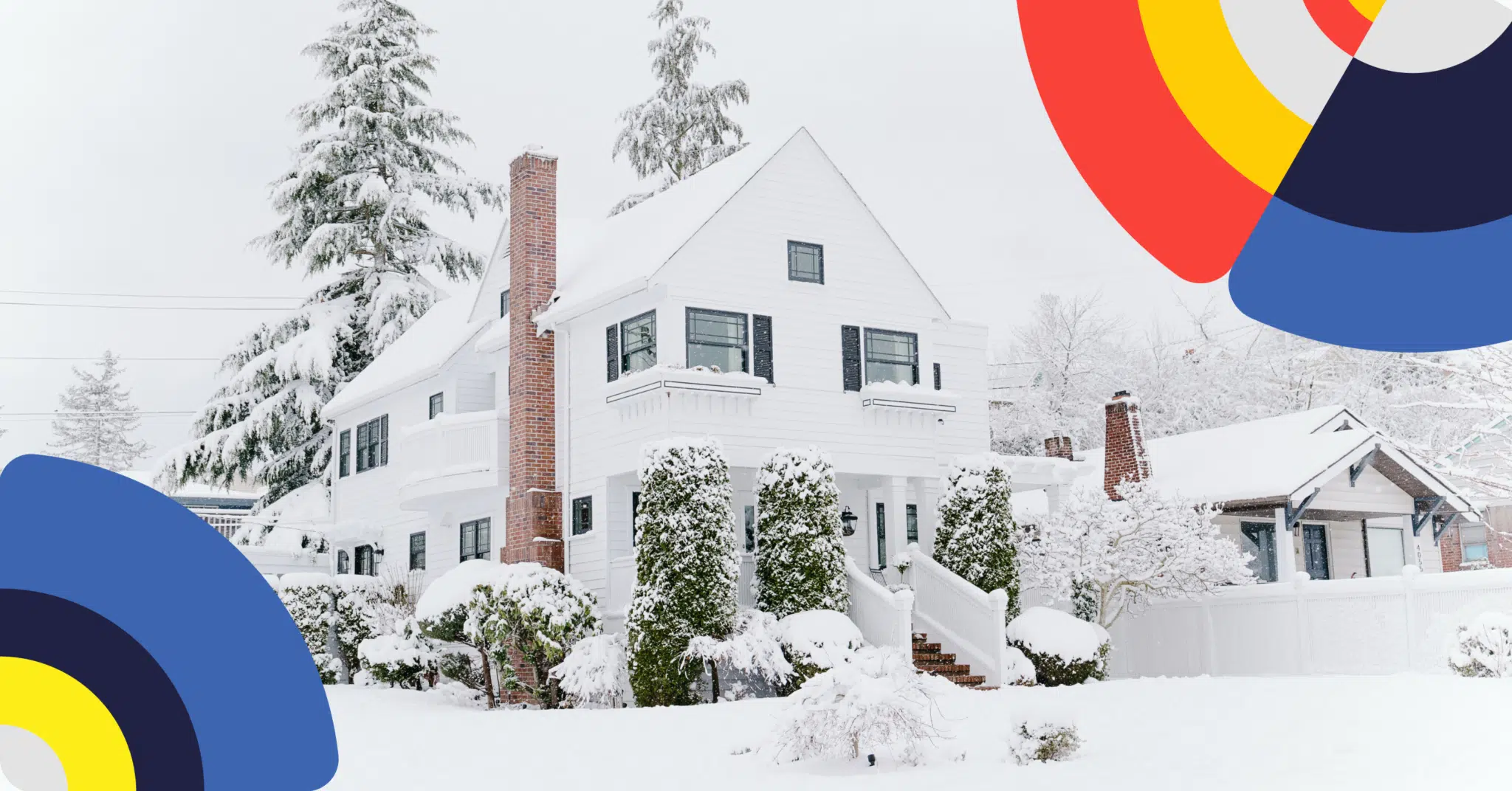
Winter might not be the season most Canadians associate with home buying, but it offers advantages that are easy to overlook. While others are busy with year-end festivities, serious buyers can find motivated sellers, competitive pricing, and a less frantic market.
With fewer bidding wars and a slower housing market, the holiday season can create ideal conditions for homebuyers. Understanding these off-season dynamics can help buyers secure the right home at the right price, even if the weather is less than ideal.
Key Takeaways
- Buyer competition drops sharply in winter, giving you more negotiating power.
- Sellers who list in December are usually serious and motivated to close.
- Lower market activity can mean faster approvals and smoother transactions.
Best Mortgage Rates
Why the Winter Market Benefits Buyers
While most home buyers assume spring and summer are the best times to buy a home, these seasons typically benefit sellers. Winter offers some of the best opportunities for buyers, as the quieter, more balanced environment allows you to explore options without the pressure of intense competition. Typically, December and January are consistently slow seasons in the Canadian real estate market. With fewer active buyers, this seasonal slowdown gives those actively looking for a home greater leverage to negotiate better prices, offer conditions, and closing timelines.
Less Competition, More Opportunity
With fewer active buyers, properties may spend more time on the market, allowing more time for due diligence and careful decision-making rather than the high-pressure fast pace often seen in warmer seasons. This seasonal slowdown gives buyers time to revisit homes, compare similar properties, and negotiate without the fear of suddenly losing out to another buyer.
Motivated Sellers Mean Better Deals
Sellers who list their homes during the holiday season are often motivated to sell. These sellers are usually more open to accepting conditional offers, adjusting the possession date, or revisiting the asking price. This creates room for buyers to secure value that might be hard to obtain during more competitive seasons. Buyers can often secure better value without making multiple offers, risking an outbid, or being drawn into a bidding war.
Market Trends During the Winter Season
Real estate activity tends to cool as temperatures drop, but the shift is more about pace than price. Market data consistently shows that activity cools during the winter months, with fewer listings and properties taking longer to sell. However, this slower rhythm doesn’t necessarily mean prices fall dramatically. Instead, this gives buyers more time to negotiate, as homes tend to stay listed longer, and serious buyers can use the slowdown to their advantage.
Lower Interest Rate Cycles and Timing Advantage
The winter months may also align with strategic mortgage timing. If the Bank of Canada began cutting rates early in the year, pre-approvals or rate holds in the winter could help buyers lock in a lower rate ahead of a busier spring market. Quieter periods in the market also allow borrowers more time to explore and compare their rate options before competition heats up again.
The Advantages of Winter House Hunting
Winter can reveal aspects of a home that are harder to notice in the warmer months. In winter, you can see how well the property retains heat, how efficiently the systems run, whether there are drafts or cold spots that could indicate poor insulation or other issues, and whether there is moisture buildup anywhere in the home. This can help you see how the home performs in Canadian winter conditions, giving you a clearer picture of potential issues that may arise long after closing if you were to purchase in the spring or summer months.
Faster Turnarounds and Easier Scheduling
A quieter market often means fewer transactions, and the professionals involved in the process often have more availability to focus on you. Lenders may be able to review your file and provide faster mortgage approval, you may be able to book a home inspection sooner, and even movers may have more flexibility with moving dates. This can reduce stress and create a smoother overall process from offer acceptance to closing. This can be particularly useful in fast-paced markets like Toronto, Vancouver, or Montreal, where delays are common during peak seasons.
Tax and Financial Benefits
While not every buyer will see direct tax benefits from purchasing before year-end, there are some situations where closing before January can help support broader financial planning. First-time buyers may benefit from purchasing before the end of the year to take advantage of federal incentives. Purchasing a home before the tax year ends can allow eligible buyers to claim the home buyers’ amount at tax time in the spring rather than waiting until the following year.
Homeowners who run a home-based business may benefit from claiming expenses in the current tax year. Homeowners may benefit by including rental expenses at tax time, such as mortgage interest, if the home is purchased as a rental or used as a primary residence while renting out a portion of the property.
Since these benefits depend on individual eligibility, buyers should review both the timing of the purchase and their personal circumstances with a qualified tax professional to determine whether purchasing at year-end could provide meaningful tax benefits or support broader financial planning.
The Disadvantages of Winter House Hunting
Although winter can offer real advantages for buyers, it also comes with challenges that are important to anticipate. Shorter daylight hours limit optimal viewing times, and poor weather conditions can make it harder to assess outdoor features such as landscaping, roofing, and drainage. Snow and ice may conceal issues that are easier to spot during warmer months, and could go unnoticed even with a thorough home inspection.
With fewer listings overall, the variety of available homes decreases. Even though winter sellers are often motivated, limited inventory might require more patience when searching for a specific property type or neighbourhood. Moving logistics can be more complex in cold weather, so plan for challenges such as weather-related delays, especially if your move is long-distance.
Frequently Asked Questions (FAQ) About Timing Your House Hunt
Is buying a home in winter cheaper in Canada?
It’s not always cheaper to buy a home in winter. However, a slower market tends to give buyers more negotiating power, as there is less competition. Sellers may be more open to reasonable offers to prevent their home from sitting on the market.
What challenges come with winter home inspections?
Home inspectors are limited to what they can access and see during a home inspection. Snow and ice can limit access to roofs or foundations when an inspector is on site, potentially hiding issues that would be more apparent in warmer months.
Should I wait until spring to buy a house?
If you value having more available options or are set on a specific neighbourhood, waiting until spring or summer to buy may be the best move. The housing market tends to pick up in spring, giving buyers more options for properties and locations.
Final Thoughts
Winter may not be the traditional home-buying season, but it offers plenty of opportunities that many buyers may overlook. With fewer buyers and more motivated sellers, winter can offer a calmer buying experience than spring’s frenzy.
To understand how a winter purchase could fit into your long-term plans, contact nesto mortgage experts to explore your options and secure your best rate.
Let’s get started!
About the contributors